
Getting Married in Melbourne and Not Sure Where to Start?
Ask a Celebrant
One of the most common things couples say when we first meet is:
“We’re not really sure what to ask.”
Or:
“You’re the first celebrant we’ve spoken to.”
Sometimes couples tell me they were referred by family or friends. Others say they were searching for someone who understood Greek traditions, offered bilingual ceremonies, or had a website that felt warm and personal.
Before long, the questions begin:
“What paperwork do we need?”
“What happens next?”
“Have we left things too late?”
No matter how the questions are phrased, my answer is usually the same:
“Don’t worry if you don’t know where to start.”
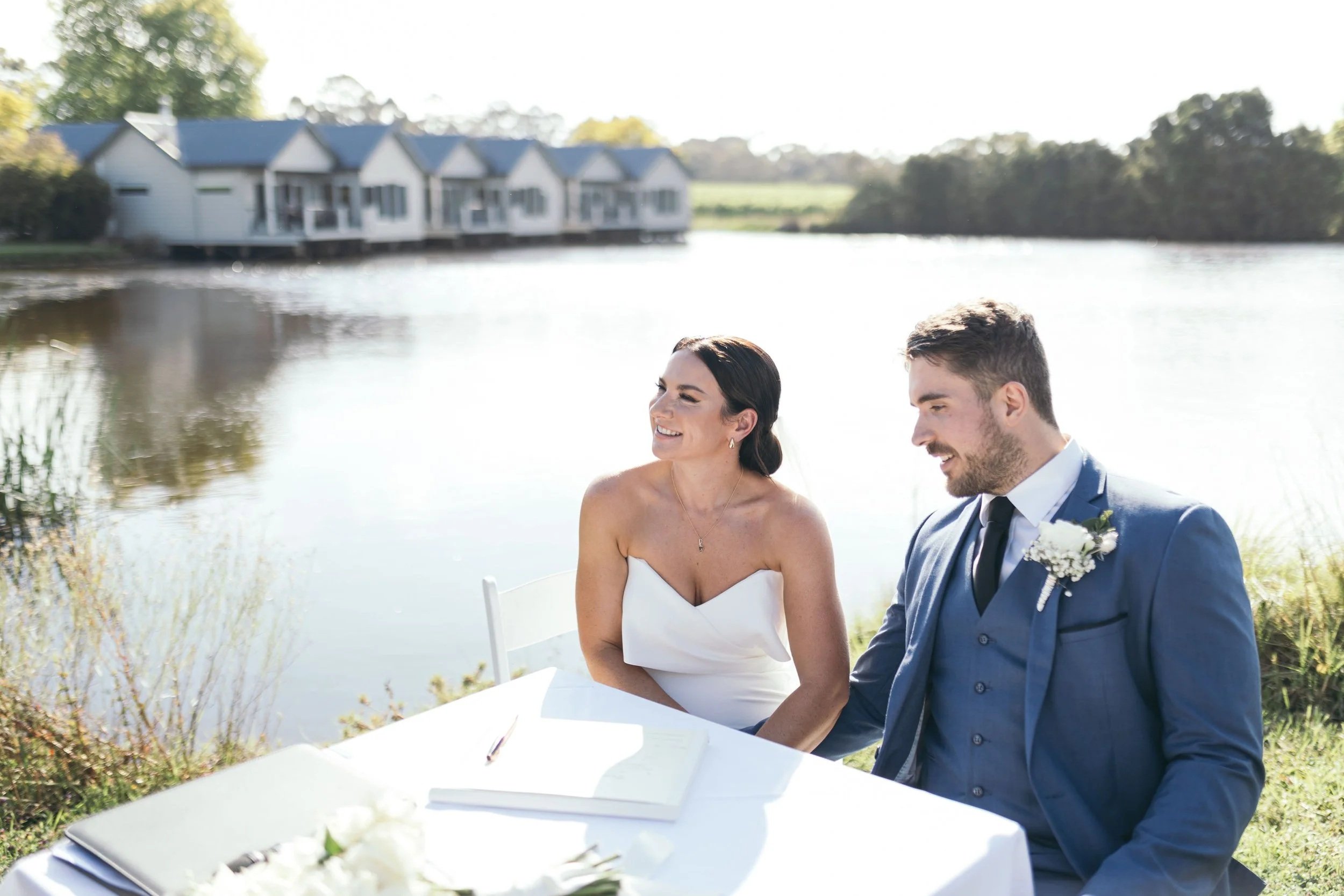
Most people only get married once. You are not expected to understand legal paperwork, timelines, ceremony scripts, rehearsals or all the details quietly happening in the background before a wedding day arrives.
That is part of why couples work with a celebrant. My role has never been simply to stand at the front and deliver a ceremony. It is to guide couples through the process so they feel informed, supported and able to actually enjoy getting married.
What happens at the first meeting?
When we first meet, whether in person or via Zoom, I explain the entire journey, from paperwork through to the wedding day and legal lodgement afterwards.
At the beginning of every meeting, I usually say:
“Please stop me at any point if something becomes unclear, or if you prefer, wait until the end and ask as many questions as you like. There’s no limit.”
Some people take notes, some interrupt with questions and others simply listen because, for the first time, the process starts making sense. By the end of the meeting, people relax. The uncertainty starts to fade as they gain a clearer understanding of the process and what happens next.
What happens after you book?
After our meeting, I send through an agreement reflecting what we discussed so you can read everything carefully before deciding whether you would like to proceed. I hold your date for two days because I believe people should have time to think without pressure.
Once the paperwork is signed and the booking fee is paid, you will receive resources, questionnaires and an overview of the process ahead.
The intention is not to overwhelm but to help you understand what happens next, because information often creates reassurance.
The questionnaires are more than forms to complete. They encourage you to think about things you may never have considered before.
Some questions are emotional, others are practical, and some seem small but make a surprising difference to your day because small details often shape how guests experience a wedding.
For example, during rehearsal planning I ask brides which side they would prefer facing guests during the ceremony. It may seem like a small detail, but it helps determine where parents and close family sit so they can better see expressions, smiles and reactions throughout the ceremony.
Once questionnaires are completed, including story information and ceremony preferences, I write the first ceremony script draft.
I regularly hear things like:
“Oh my God, you captured our story.”
“It made us laugh.”
“It made us cry.”
Sometimes the feedback is much simpler:
“We loved it.”
Changes are usually very small, if any, because by that stage I have spent time understanding who you are, how you met and what matters most to you.
A lot of couples worry about the same things
As weddings get closer, worries often shift. Early questions are usually about paperwork and process but as the wedding day approaches, couples often start thinking more about their vows, family dynamics and how they want their ceremony to feel.
Writing vows is often one of the biggest concerns. Many people worry they will not know what to say or feel pressure to write something profound.
I am always happy to read through vows before the wedding and offer suggestions where something may land differently than intended, while keeping the person’s voice and meaning completely intact.
Sometimes couples decide personal vows are not for them and choose traditional vows instead which is a completely valid choice. Meaning does not depend on the number of words spoken and less can still carry a great deal of significance.
Nerves are another common concern. Many people worry about speaking in front of guests or becoming emotional during the ceremony, but knowing what to expect often reduces those nerves.
By the time the wedding day arrives, most people are far more relaxed than they expected to be.
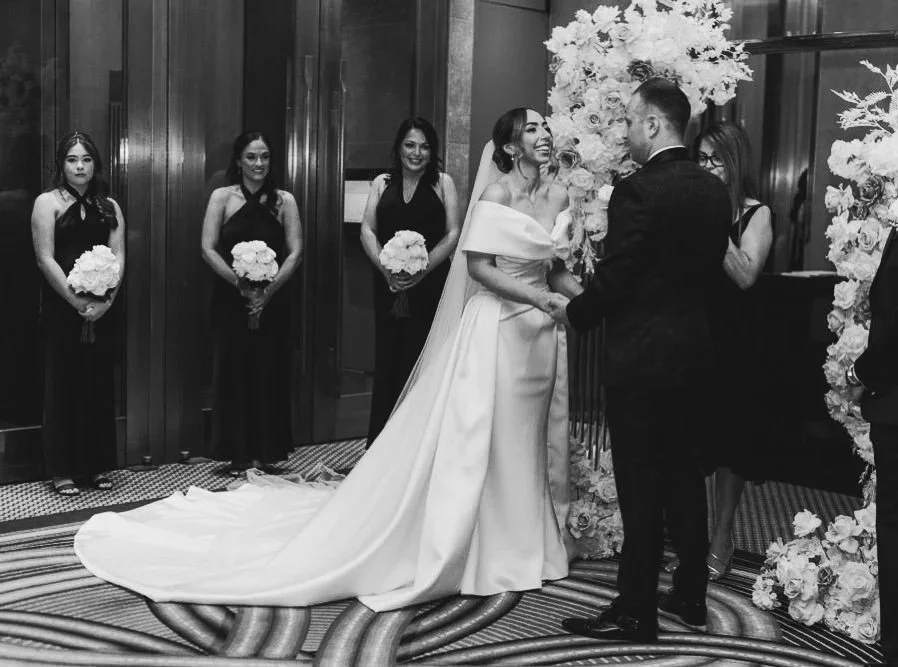
Rehearsals are often more detailed than couples expect
Many couples assume a rehearsal simply involves practising how to walk in and where to stand.
In reality, the rehearsal is often about helping everyone feel comfortable, understand what happens next and remove uncertainty before the wedding day arrives. We talk through practical things people may not have considered. What happens after parents walk the bride down the aisle? Where do flowers go? Who helps with a dress if it needs adjusting? How should the bridal party stand?
Sometimes the details become even smaller. We might discuss whether you would like a kiss or dip as you walk back up the aisle, where that moment should happen for the best photos, and whether you would like a group photo afterwards and where it will take place.
Individually, these things seem small, but together they help the day run smoothly. Couples often leave rehearsals surprised by how much thought goes into the experience. More importantly, they leave feeling confident and reassured.
Experience often shows up in unexpected moments
Many people think a celebrant turns up on the day, reads the ceremony script and then goes home. I understand why.
A lot of the work happens quietly in the background long before the wedding.
There are meetings, legal documents, scripts, rehearsals, timelines and countless questions. There are also decisions couples never expected they would need to make.
A seamless wedding day is usually the result of preparation happening long before the ceremony begins.
Sometimes a groom forgets a tie, a button comes off moments before guests arrive, a dress needs attention before the ceremony begins or an important cultural item has been forgotten. These moments are uncommon, but when they do happen, experience matters.
Most couples never realise these things happen because, by the time they notice, the problem has already been resolved.
Often the best outcome is that couples never know there was a problem in the first place.
Why reassurance matters
I remember one bride who was extremely nervous before her ceremony. As she walked toward the front where her partner and I were standing, I could see the nerves all over her face.
I looked at her and quietly said:
“I’ve got this.”
The ceremony continued and I did not think much more about it.
After the wedding she told me:
“When you said, ‘I’ve got this,’ something just released in my body. It was like a wave had gone through me because I knew everything was being handled.”
That comment stayed with me because it captured something I hope couples feel throughout the entire process, not only on the wedding day but from the first meeting, through the paperwork, planning, rehearsal and those unexpected moments along the way.
I want couples to feel informed, supported and able to enjoy the experience because they know someone is quietly holding everything together.
“I’ve got this” stayed with me because, in many ways, it explains my role better than anything else.
If you’re sitting there wondering where to start…
Here’s what I want you to know.
You do not need all the answers before reaching out.
You simply need someone willing to guide you through the process.
The rest happens step by step.